Beyond Unit Cost: The True ROI Framework
When defense procurement evaluates a run flat changer machine, the default framework is simple: what does the unit cost, and what does it replace? This cost-centric view consistently undervalues the investment because it ignores the multiplier effects that military runflat changer machine systems deliver across readiness, safety, personnel, and component preservation.
The best run flat tire machine isn't defined by its price tag — it's defined by the operational value it unlocks. To properly evaluate ROI, we need to measure what manual methods actually cost, not just what they seem to save.
The Four Pillars of ROI
Pillar 1: Time and Readiness
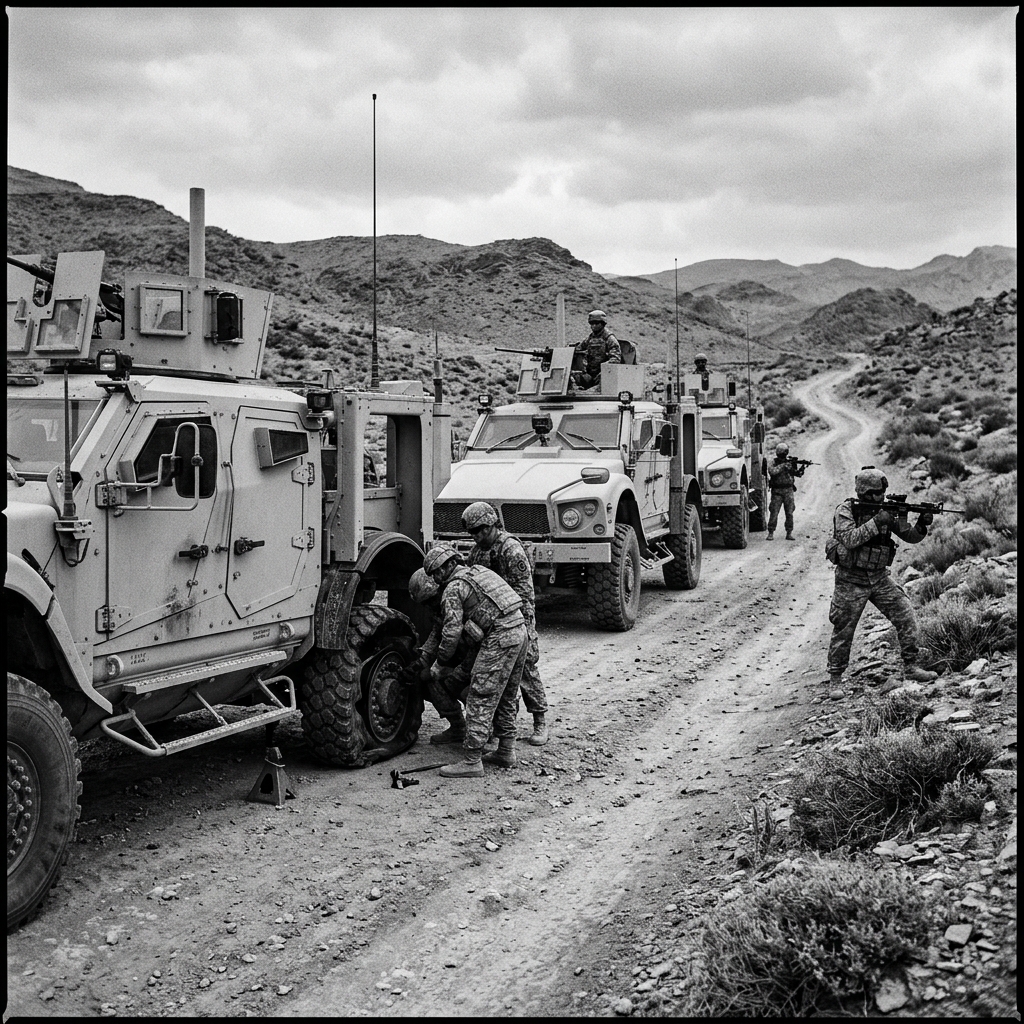
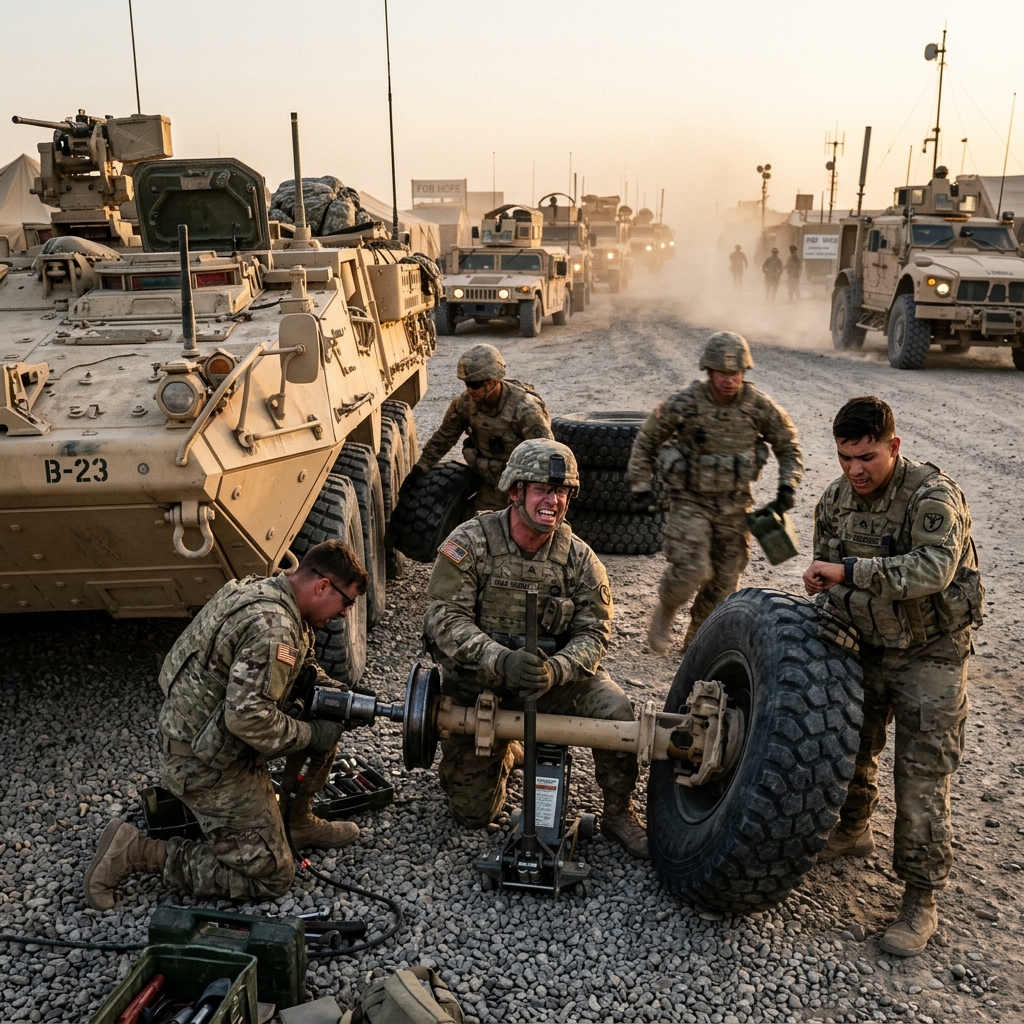
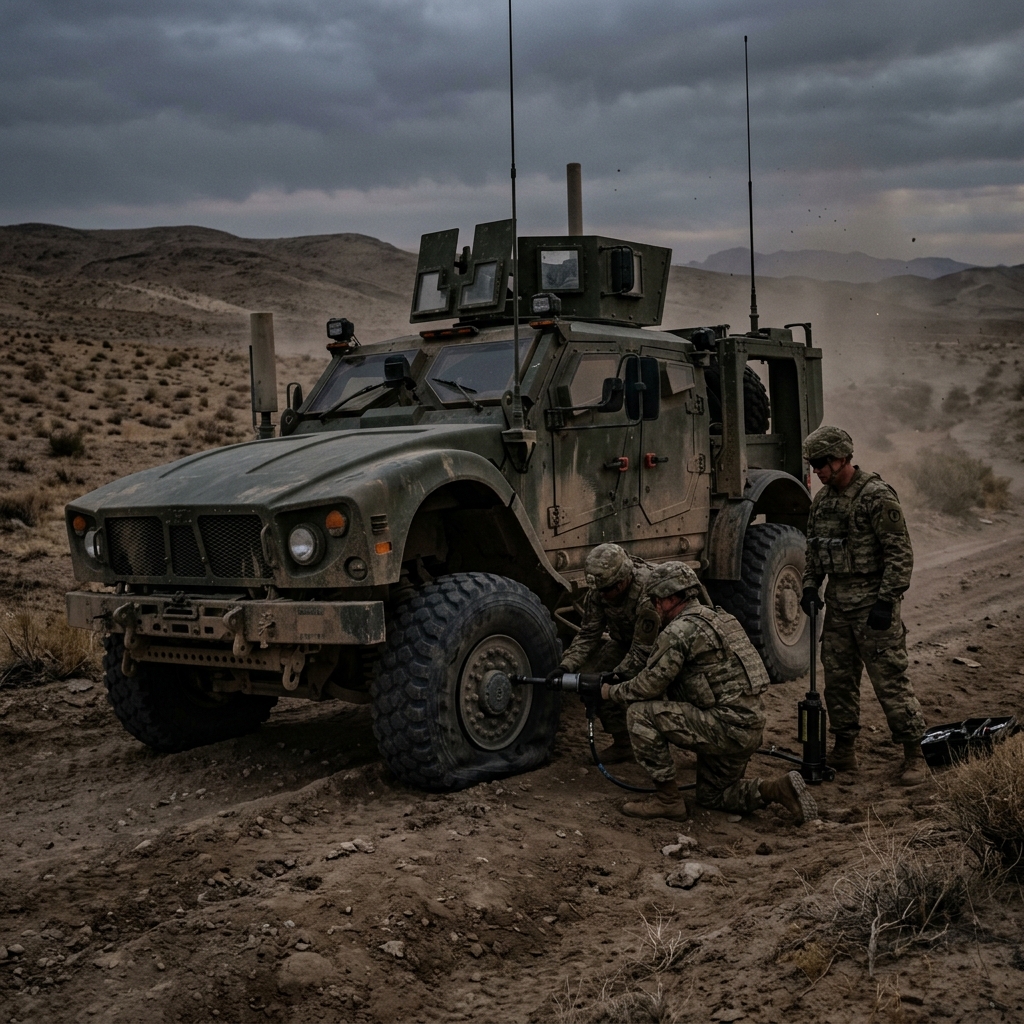
A run flat replacement machine for military vehicles processes a complete wheel — tire removal, insert extraction, inspection, and reassembly — in under 4 minutes with two operators. Manual methods require 30–45 minutes with 3–5 operators. Across a fleet of 50 vehicles with an average of 6 wheels each requiring annual service, the time savings compound:
- Manual: 300 wheels × 40 minutes = 200 crew-hours per annual cycle
- Machine-assisted: 300 wheels × 4 minutes = 20 crew-hours per annual cycle
- Saving: 180 crew-hours returned to training, operations, and readiness activities
Pillar 2: Personnel Safety and Medical Costs
Manual run flat tire machine operations generate an average of 4.7 reportable injuries per battalion per year. Each injury represents medical costs, lost duty days, and potential long-term disability claims. A military run flat machine eliminates these injuries entirely — a saving that grows more significant over the equipment's 15–20 year service life.
Pillar 3: Component Preservation
Manual extraction methods using sledgehammers and pry bars damage rims, tire beads, and run-flat inserts at a rate of approximately 12% per service event. Each damaged component must be replaced — costs that never appear in the manual method's "zero equipment cost" calculation. Machine-assisted run flat changer operations maintain near-zero component damage rates through controlled, progressive force application.
Pillar 4: Personnel Retention
Military retention studies consistently identify equipment quality as a factor in re-enlistment decisions. When maintenance personnel work with modern, safe military runflat changer equipment instead of sledgehammers, satisfaction and retention improve. The recruitment and training cost of replacing a single technician often exceeds the cost of the equipment that would have kept them.
When you account for time, safety, component preservation, and retention, the run flat machine investment pays for itself within the first operational year. Every subsequent year is pure return.
Acquisition Simplicity
Modern run flat replacement machine for military vehicles systems are designed for defense acquisition channels. With an NSN-coded system, procurement integrates into standard defense acquisition frameworks — no special procurement vehicle required. ISO 9001 certification, CE marking, and NATO compatibility ensure compliance with allied procurement standards. Request a quote through GM Defensive's standard acquisition channel
Three Configurations, One Capability
The ROI model applies regardless of deployment configuration. Three distinct runflat machine configurations exist to match any operational profile:
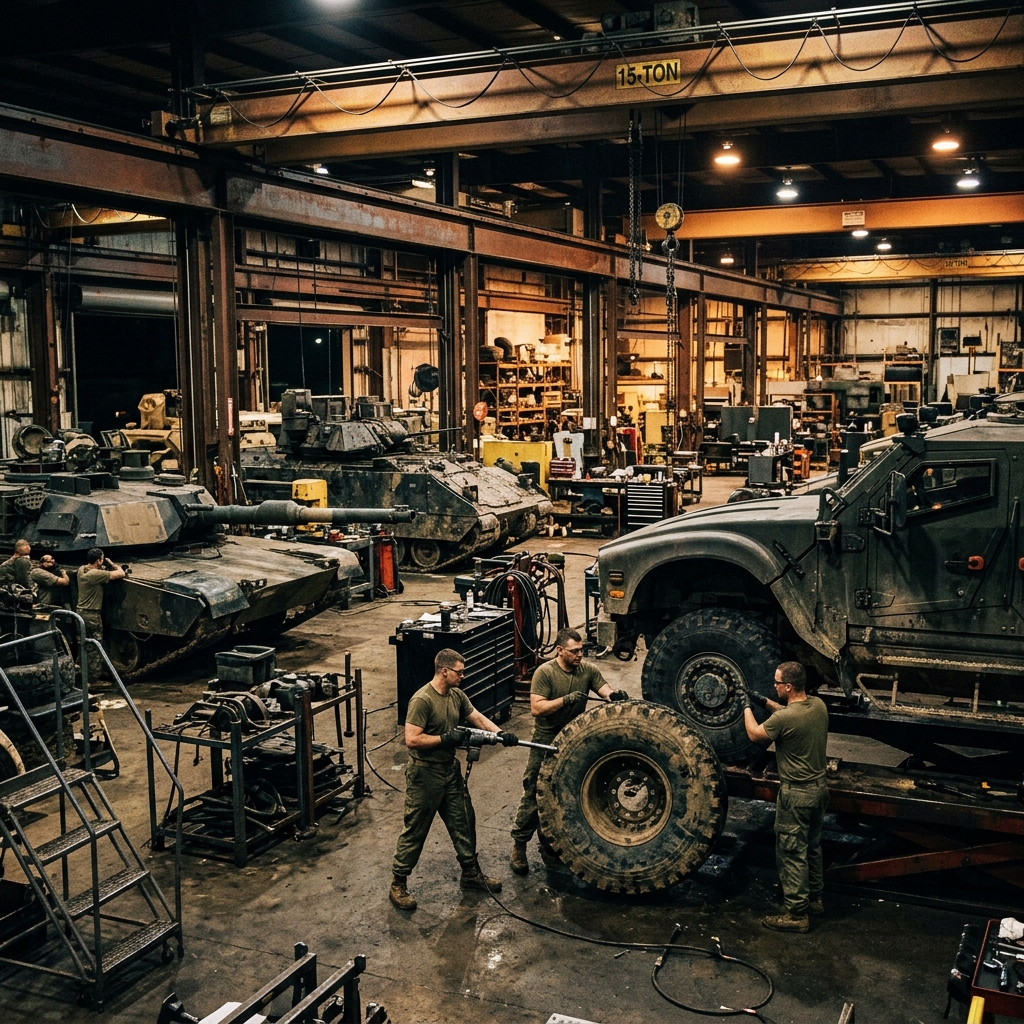
- Workshop Model (GMR-023): High-volume depot installation for permanent maintenance facilities
- Container Model (GMH-098): Self-contained ISO unit with integrated power and climate control for forward operating bases
- Trailer Model (GMT-099): Fully mobile, towable configuration for expeditionary and field operations
Each configuration delivers identical per-wheel performance — the difference is in deployment flexibility. The right choice depends on your force structure, deployment pattern, and maintenance doctrine. Compare all three deployment configurations and find the right fit for your fleet
Real-world case studies across 30+ nations confirm the ROI model. Defense forces on every continent except Antarctica have deployed these systems — and none have reverted to manual methods. Review real-world deployment case studies
The Strategic Perspective
The best run flat tire machine investment isn't a maintenance purchase — it's a capability investment. Like any force multiplier, its value isn't measured in the equipment's cost but in the operational capability it preserves. When a brigade maintains 95% fleet availability instead of 75%, the strategic options expand dramatically. When personnel injury rates drop to zero for a previously high-risk task, retention improves and medical costs decrease. When components last their full service life instead of being damaged during manual service, sustainment budgets stretch further.
The ROI is not theoretical. It's measured, proven, and available today.
Ready to calculate the ROI for your fleet's specific requirements?
Request Fleet Assessment